Institution
The Hastings Center
ABP-I-0006
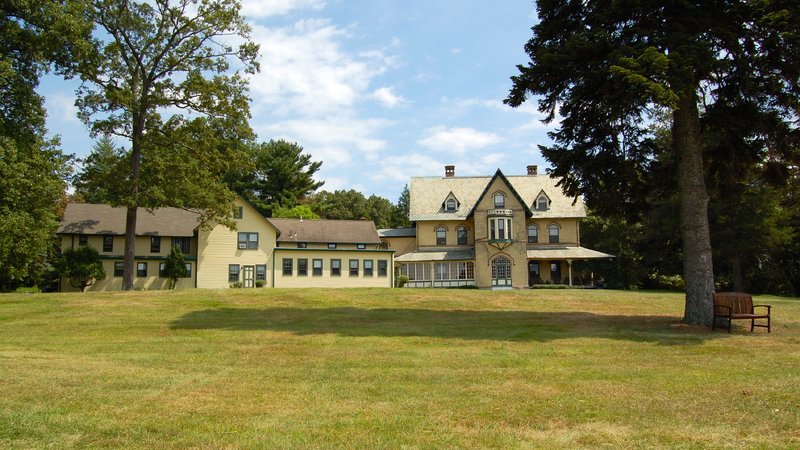

Overview
Daniel Callahan and Willard Gaylin founded the Institute of Society, Ethics and the Life Sciences in 1969, when new powers in medicine and biology were outpacing the places available for sustained ethical discussion. Later known as The Hastings Center, the independent institute brought scholars and practitioners from different fields into continuing conversation outside both government and the university.
The Center established a durable setting for interdisciplinary research on health care and the life sciences. The Hastings Center Report, first published in 1970, carried that work to scholarly and public audiences. Its institutional contribution was to make such inquiry a continuing practice rather than a response assembled anew for each controversy.
Historical Role
The Hastings Center belongs to the first generation of American bioethics institutions. Its independent setting offered a model distinct from federal commissions and university institutes as the field began to organize itself.
Historical Significance
An early, enduring home for interdisciplinary ethical inquiry into medicine and the life sciences.
Roles and contributions
-
Cofounder
1969
-
President
1969–1983
-
Cofounder
1969
Key facts
- ABP identifier
- ABP-I-0006
- Dates
- 1969–present
- Location
- Hastings-on-Hudson, New York, at founding; later Garrison, New York